
Fix Connectivity Issues HSSGamepad: Troubleshooting Guide
Quick fixes for random disconnects, input lag, and Bluetooth errors.

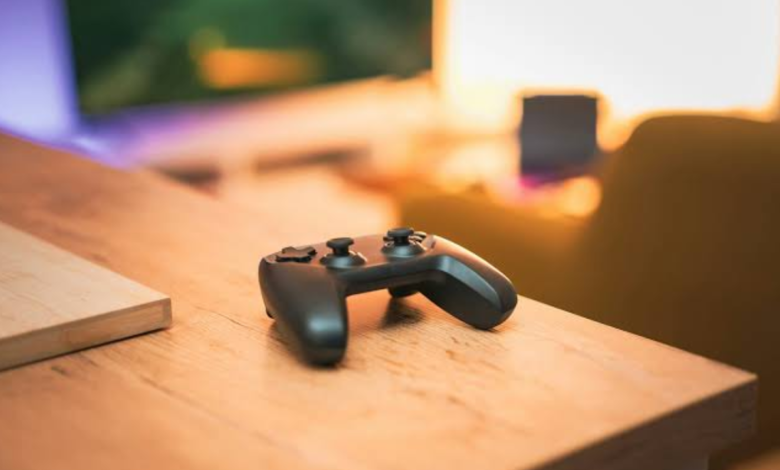
Nothing ruins a great gaming session faster than a controller that suddenly drops out during a crucial moment. If you are dealing with the connectivity issues HSSGamepad users commonly report—such as random disconnects, Bluetooth pairing failures, or sudden input lag—you are not alone.
While the HSSGamepad is a highly versatile controller designed for PC, mobile, and compatible smart TVs, wireless communication is inherently prone to interference and software conflicts. The good news is that most controller connectivity problems have fairly simple causes. Battery levels, incorrect pairing modes, wireless interference, and outdated drivers account for the vast majority of dropped connections.
This comprehensive guide will walk you through exactly how to diagnose and fix these problems so you can get back to your game without the frustration of input delays.
Understanding Common HSSGamepad Connection Problems
When trying to fix connectivity issues, HSSGamepad users should first identify exactly how their controller is failing. “Connectivity issues” is a broad term, but most problems fall into one of the following categories:
-
Random Disconnects: The controller pairs successfully but drops the connection intermittently during gameplay.
-
Bluetooth Pairing Failures: The gamepad refuses to appear in your device’s Bluetooth scan list, or it appears but repeatedly fails to connect.
-
Input Lag and Stuttering: The controller stays connected, but there is a noticeable delay between pressing a button and the action happening on screen.
-
Connected but Not Working: The device shows that the gamepad is connected via Bluetooth or USB, but games do not register any button presses.
-
USB Connection Errors: The controller charges when plugged in, but the PC does not recognize it as a gaming device.
Depending on which symptom you are experiencing, the solution will vary. Follow the steps below sequentially, starting with the most common and easiest fixes.
The Basic Hardware Checks
When troubleshooting connectivity issues, HSSGamepad hardware checks should always be your first step. Many gamers jump straight into driver updates when the solution is actually much simpler.
Fully Charge the Controller
A low battery is the number one cause of unstable wireless controller connections. When a gamepad’s battery drops below a certain threshold (usually around 15–20%), it enters a power-saving state. This reduces the strength of the Bluetooth transmitter, leading to input lag, shortened range, and sudden disconnects.
Plug your controller into a reliable power source and let it reach a 100% charge before attempting further software troubleshooting.
Restart Both Devices
The age-old IT advice holds true for gaming controllers. A simple restart clears temporary software glitches, resets the Bluetooth module, and flushes out corrupted connection caches. Turn off your gamepad completely, and restart your PC, smartphone, or console.
Check Your Distance and Physical Obstacles
Bluetooth relies on line-of-sight communication. If you sit too far from your PC or TV, or if there are thick walls, metal desks, or large appliances between the controller and the receiver, the signal will degrade. Keep the controller within a 2-to-5-meter range of your device for the most stable wireless connection.
connectivity issues hssgamepad
Fixing HSSGamepad Bluetooth Pairing Problems
If your battery is full but you still face connectivity issues, HSSGamepad Bluetooth configurations are likely to blame.
Clear the Bluetooth Pairing History
If your controller has been connected to another PC, phone, or tablet in the past, it may be trying to automatically reconnect to that old device instead of your current one. Furthermore, a crowded Bluetooth memory list can confuse your operating system.
To clear old pairings on Windows:
-
Navigate to Settings > Bluetooth & devices.
-
Locate the gamepad in your list of paired devices.
-
Click the three dots next to the device name and select Remove device.
-
Turn your computer’s Bluetooth toggle off, wait five seconds, and turn it back on.
Confirm the Correct Pairing Mode
Many modern controllers feature different operating modes (such as XInput for Windows and DInput for older games or Android). Turning a wireless controller on is not always the same as placing it into pairing mode.
If your gamepad is set to the wrong mode for your specific operating system, pairing will fail every time. Consult your controller’s manual to ensure you are holding down the correct button combination to trigger the correct Bluetooth broadcast mode.
Reduce Wireless Interference
Wireless interference occurs when too many devices share the same 2.4GHz frequency band. This is a massive hidden cause of poor connection stability. Common sources of Bluetooth interference include:
-
Wi-Fi routers placed too close to your PC or gaming setup.
-
Wireless gaming headsets.
-
Smartwatches and fitness trackers.
-
Microwave ovens (when in active use).
-
USB 3.0 external hard drives (which can emit interference that blocks Bluetooth adapters).
Solving USB and Wired Connection Errors
If wireless is causing too many connectivity issues, HSSGamepad wired mode is an excellent way to isolate the problem. However, wired connections have their own set of potential failures.
Use a Data-Capable USB Cable
Not all USB cables are created equal. Many cheap cables included with basic electronics are “charge-only” cables. They contain the internal wires required to deliver power but lack the data pins required to transmit controller inputs to a computer. If your gamepad charges when plugged in but Windows does not recognize it, swap your cable for a known data-capable USB cord.
Connect Directly to the PC
Avoid plugging your controller into external USB hubs, monitor passthroughs, or unpowered keyboard ports. Always connect directly to a primary USB port on your motherboard (usually located on the back of a desktop PC).
Advanced Software and Driver Fixes
If you have ruled out hardware, battery, and basic Bluetooth interference, the connectivity issues HSSGamepad devices experience are likely rooted in your operating system’s software.
Update Windows Bluetooth Drivers
Windows relies on drivers to communicate with wireless devices. An outdated or corrupted Bluetooth driver will cause pairing failures, input lag, and “Device Not Found” errors.
-
Right-click the Windows Start button and open Device Manager.
-
Expand the Bluetooth section.
-
Right-click your primary Bluetooth adapter and select Update driver.
-
Choose “Search automatically for drivers.”
-
Restart your computer.
Check Game Controller Settings (XInput vs. DInput)
Sometimes, the controller connects perfectly to Windows, but the game simply ignores it. Most modern PC games require an “XInput” controller (the standard used by Xbox controllers).
If your game isn’t responding:
-
Open Steam.
-
Go to Settings > Controller.
-
Ensure that “Enable Steam Input for generic controllers” is checked.
Keep Firmware Updated
Firmware is the internal software built directly into the gamepad that tells it how to communicate. Manufacturers periodically release firmware updates to fix known bugs and patch Bluetooth stability issues. Check the official brand website for any available firmware updating tools.
Summary Troubleshooting Checklist
Best Practices to Prevent Future Connection Drops
Once you have resolved your problems, a little preventative maintenance will stop them from returning:
-
Don’t let the battery die completely: Deep discharges degrade lithium-ion batteries over time. Try to charge your controller when it hits 20%.
-
Dedicate your connections: If you use your gamepad on both your PC and your phone, the constant swapping will eventually cause a pairing conflict.
-
Invest in a dedicated dongle: If your PC motherboard has poor built-in Bluetooth, a cheap, dedicated USB Bluetooth 5.0 adapter can work wonders for controller stability.
By methodically checking your battery, clearing out old Bluetooth profiles, managing wireless interference, and updating your system drivers, you can permanently solve the connectivity issues HSSGamepad models occasionally suffer from and enjoy a seamless, lag-free gaming experience.
Also Read: Who Is Jeremy Scheuch? The Artist, Riot Fest Director & Danielle Colby’s Husband
9. FAQ
Why does my gamepad connect to Bluetooth but not work in my game?
This is usually caused by an input protocol mismatch. Modern PC games expect an XInput controller, but your gamepad might be operating in DirectInput (DInput) mode. You can fix this by enabling “Steam Input” in your Steam Controller settings to translate the inputs.
Can the HSSGamepad connect to a smartphone?
Yes, most models support mobile connections. You can pair it to an Android or iOS device via Bluetooth. Ensure you put the controller into its specific mobile pairing mode.
Why is there a noticeable delay when I press buttons?
Input lag on a wireless controller is typically caused by a critically low battery, severe Bluetooth interference from nearby devices (like Wi-Fi routers), or an outdated Bluetooth driver on your PC.
How do I completely factory reset my HSSGamepad?
To completely eliminate stubborn connectivity issues, HSSGamepad factory resets are highly recommended. Look for a tiny pinhole on the back of the gamepad. Insert a paperclip into the hole and press the hidden button for 5 to 10 seconds while the controller is powered on. This will wipe its internal memory and clear all corrupted Bluetooth pairings.