
Growing out bangs can feel exciting at first, but the middle stage often becomes frustrating. One day your fringe looks cute, and the next day it falls into your eyes, refuses to blend, and makes every hairstyle feel unfinished.
The good news is that this phase does not have to ruin your look. With the right trims, smart styling tricks, gentle hair care, and a little patience, growing out bangs can become a stylish transition instead of a beauty problem.
Quick Bio
This keyword is a hairstyle topic, not a person. Personal bio details such as age, ethnicity, spouse, salary, and net worth do not apply and have been removed.
What Does Growing Out Bangs Mean?
Growing out bangs means allowing your short front hair or fringe to become long enough to blend naturally with the rest of your haircut. This can happen after blunt bangs, curtain bangs, wispy bangs, baby bangs, or side bangs.
The process usually goes through several stages. First, the bangs sit around the brows. Then they reach the eyes, cheekbones, jawline, and finally blend into face-framing layers. Each stage needs a slightly different styling method.
How Long Does It Take to Grow Out Bangs?
Hair growth is different for every person, but many people notice visible progress after a few months. If your bangs are very short, it may take longer to fully blend them into medium or long hair.
The most awkward stage often happens when the bangs reach the eyes. At this point, they are too long to wear as a neat fringe but too short to tuck behind the ears. This is where styling becomes very important.
Best Hairstyles for Growing Out Bangs
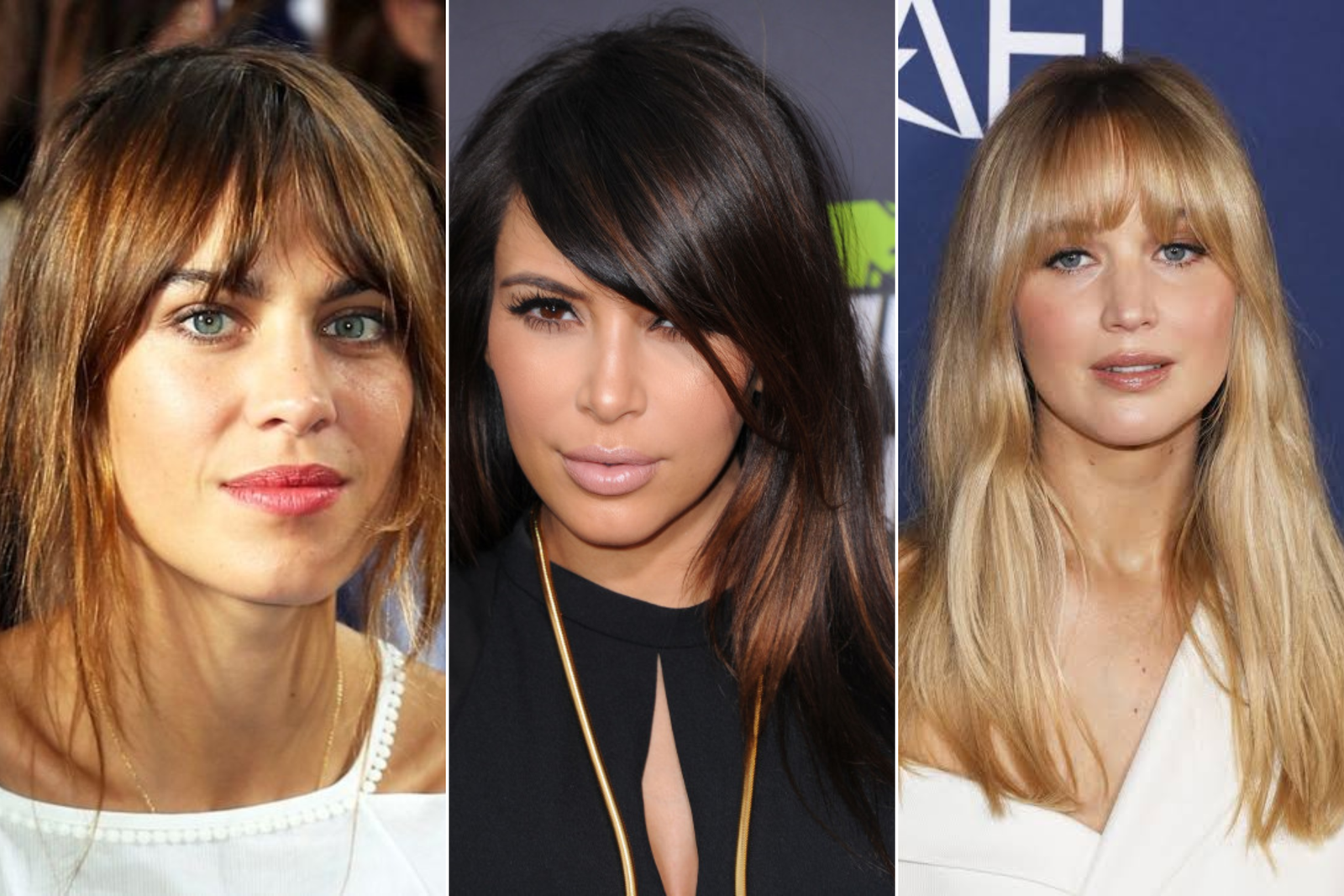
Soft curtain bangs are one of the easiest ways to manage the transition. A stylist can part the bangs in the center or slightly off-center, then shape them into longer pieces that frame the face.
Side-swept bangs are another useful choice. Instead of fighting the length, you can brush the fringe to one side and use light hairspray, a clip, or a small amount of styling cream to keep it in place.
Curtain Bangs for a Softer Look
Curtain bangs work well because they naturally open away from the face. As they grow, they can slowly turn into cheekbone-length layers without looking messy.
This style is especially helpful for people who want a low-maintenance grow-out plan. It also suits many hair textures, including straight, wavy, and softly curly hair.
Face-Framing Layers for Blending
Face-framing layers help hide the uneven length between bangs and the rest of the haircut. They make the grow-out phase look intentional instead of accidental.
Ask for light shaping around the cheekbones and jawline. This gives your front pieces movement and makes growing out bangs look more polished.
Styling Tips for the Awkward Stage
Start styling your bangs while they are still damp. Hair usually listens better when it is slightly wet, and you can guide it into the shape you want before it dries.
Use a round brush, flat brush, or your fingers depending on your hair texture. Blow-dry the front pieces away from the face if you want a soft curtain effect, or smooth them to one side for a side fringe look.
Use Clips, Pins, and Headbands
Hair accessories are your best friends during this phase. Small clips, bobby pins, claw clips, and headbands can keep the fringe away from your eyes while still looking stylish.
For a clean look, twist the bangs back and pin them near the temple. For a casual look, use a soft headband or small claw clip to control shorter pieces.
Try Braids and Twists
Braids and twists are perfect for hiding uneven lengths. A small front braid can pull the bangs away from the face and blend them into longer hair.
You can also make a simple twist along the hairline and secure it with a pin. This works well for second-day hair because a little texture helps the style stay in place.
Hair Care Tips While Growing Out Bangs
Healthy hair makes the process easier. Use a gentle shampoo, conditioner, and heat protectant if you blow-dry or straighten your fringe often.
Avoid using too much heat every day. Bangs are short and sit near the face, so damage is more noticeable. If the ends become dry or weak, they may break and make the grow-out process feel slower.
Do Regular Small Trims
It may sound strange, but small trims can help while growing out bangs. The goal is not to cut them short again, but to remove split ends and reshape the fringe.
A stylist can soften blunt edges and turn the bangs into layers. This makes the transition smoother and keeps your haircut looking fresh.
Keep the Scalp and Hair Strong
A healthy scalp supports healthy-looking hair. Massage your scalp gently, avoid tight hairstyles, and eat a balanced diet with enough protein, vitamins, and minerals.
No product can magically make bangs grow overnight. However, good hair care can reduce breakage, which helps you keep the length you are gaining.
Latest Bang Trends and Grow-Out Styles
Modern bang trends are softer and more flexible than very sharp, high-maintenance cuts. Curtain bangs, wispy bangs, bottleneck bangs, and textured fringe styles are popular because they grow out more naturally.
This is helpful for anyone growing out bangs because the trend is no longer about perfect, heavy fringe only. Soft movement, natural texture, and face-framing pieces are now seen as stylish.
Common Mistakes to Avoid
One common mistake is cutting the bangs too often because the awkward stage feels annoying. A tiny trim is fine, but cutting too much can restart the process.
Another mistake is using heavy products. Thick gels or oily creams can make bangs look flat, greasy, or separated. Lightweight styling cream, dry shampoo, or light hairspray usually works better.
Conclusion
Growing out bangs takes patience, but it can also be a chance to refresh your style. Instead of hiding your fringe every day, shape it into curtain bangs, side-swept pieces, braids, twists, or soft face-framing layers.
The key is to protect your hair, trim only when needed, and style according to each stage. With the right approach, growing out bangs can look modern, natural, and beautiful from start to finish.
FAQs About Growing Out Bangs
How long does growing out bangs usually take?
It depends on your hair growth rate and how short your bangs are. Many people need several months to move from short fringe to face-framing layers.
What is the hardest stage of growing out bangs?
The hardest stage is usually when the bangs reach the eyes. They are too long to wear straight down but still too short to fully tuck away.
Should I trim my bangs while growing them out?
Yes, small trims can help. Light trimming removes split ends and allows a stylist to shape the bangs into softer layers.
What hairstyle is best for growing out bangs?
Curtain bangs, side-swept bangs, and face-framing layers are some of the best options. They make the transition look planned and stylish.
Can accessories help with growing out bangs?
Yes, clips, bobby pins, headbands, and claw clips can keep bangs away from the face. They also make the awkward phase easier to manage.
How can I make my bangs blend with the rest of my hair?
Ask your stylist for soft layers around the face. You can also blow-dry the bangs away from your face or part them like curtain bangs.